Drones
How to Plan a Repeatable Drone Hover Test
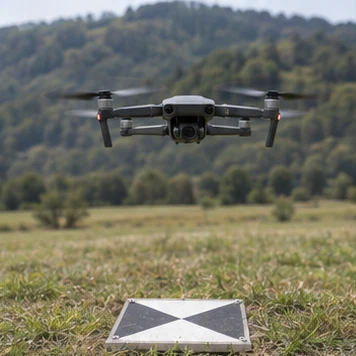
A drone hovering over a marker can look steady on video while the camera view drifts enough to affect the measurement. Before the first flight, agree on the actual output you need. A repeatable image, a position estimate and an observation from the pilot are different outputs, and each needs its own acceptance criterion.
DJI’s Matrice 400 specifications distinguish hover accuracy by positioning mode and describe the conditions behind the figures. Record the active positioning mode and weather with each run. Note which camera and lens settings were used, and choose a reference in the scene that can be identified in every clip.
Keep the comparison simple. Start with repeated observations under the same brief, then introduce one planned change if the team needs to understand its effect. Preserve the original recording and write the time of any interruption or change in configuration in the run log. A stable clip alone tells you little about how repeatable the observation will be tomorrow.
In the review, place clips or measurements side by side and ask whether the same feature remains identifiable. Report which runs met the acceptance criterion and which need repeating. The useful result is a clear statement of what the team could observe under the conditions it actually tested.