
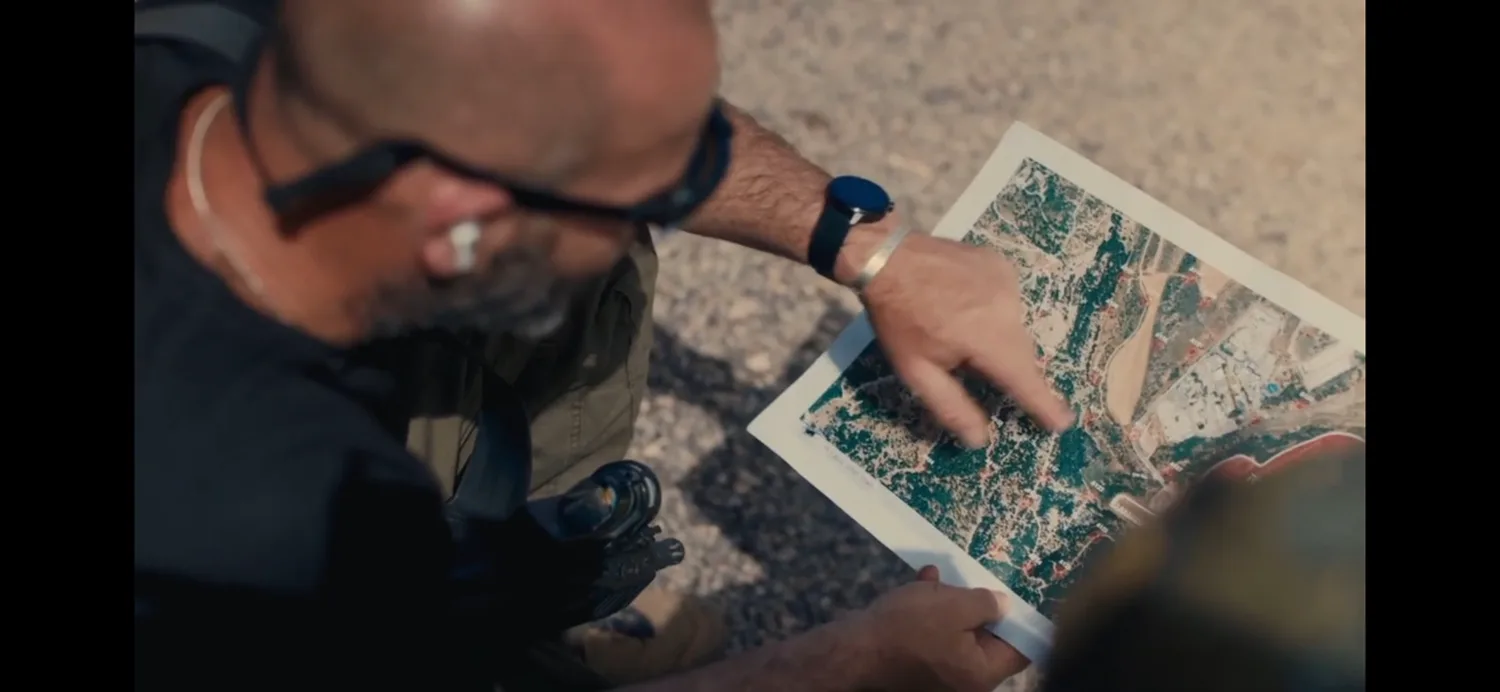
Briefing
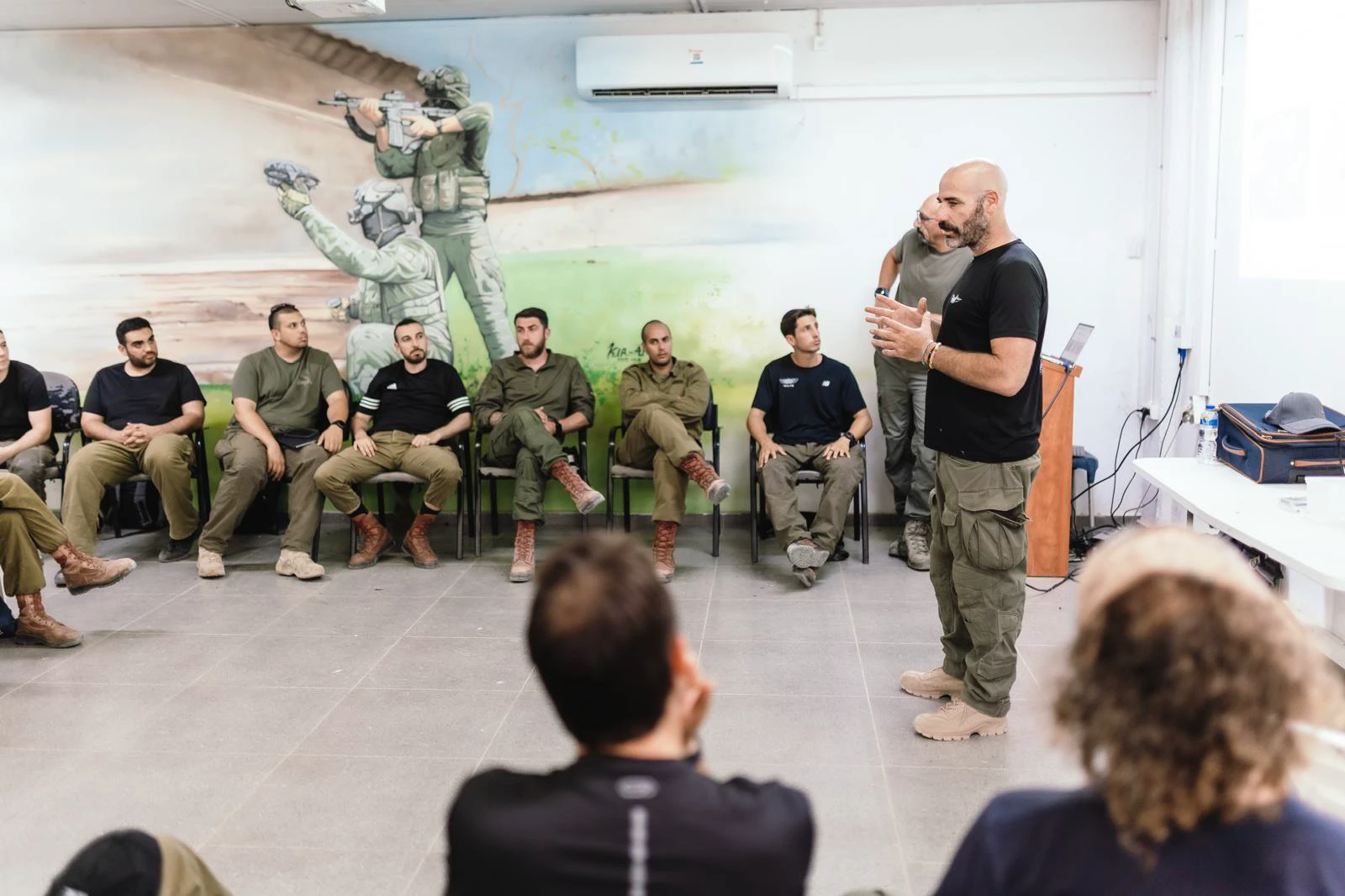
Before takeoff, we agree on the training goal, review safety and decide who flies, who observes and who leads.
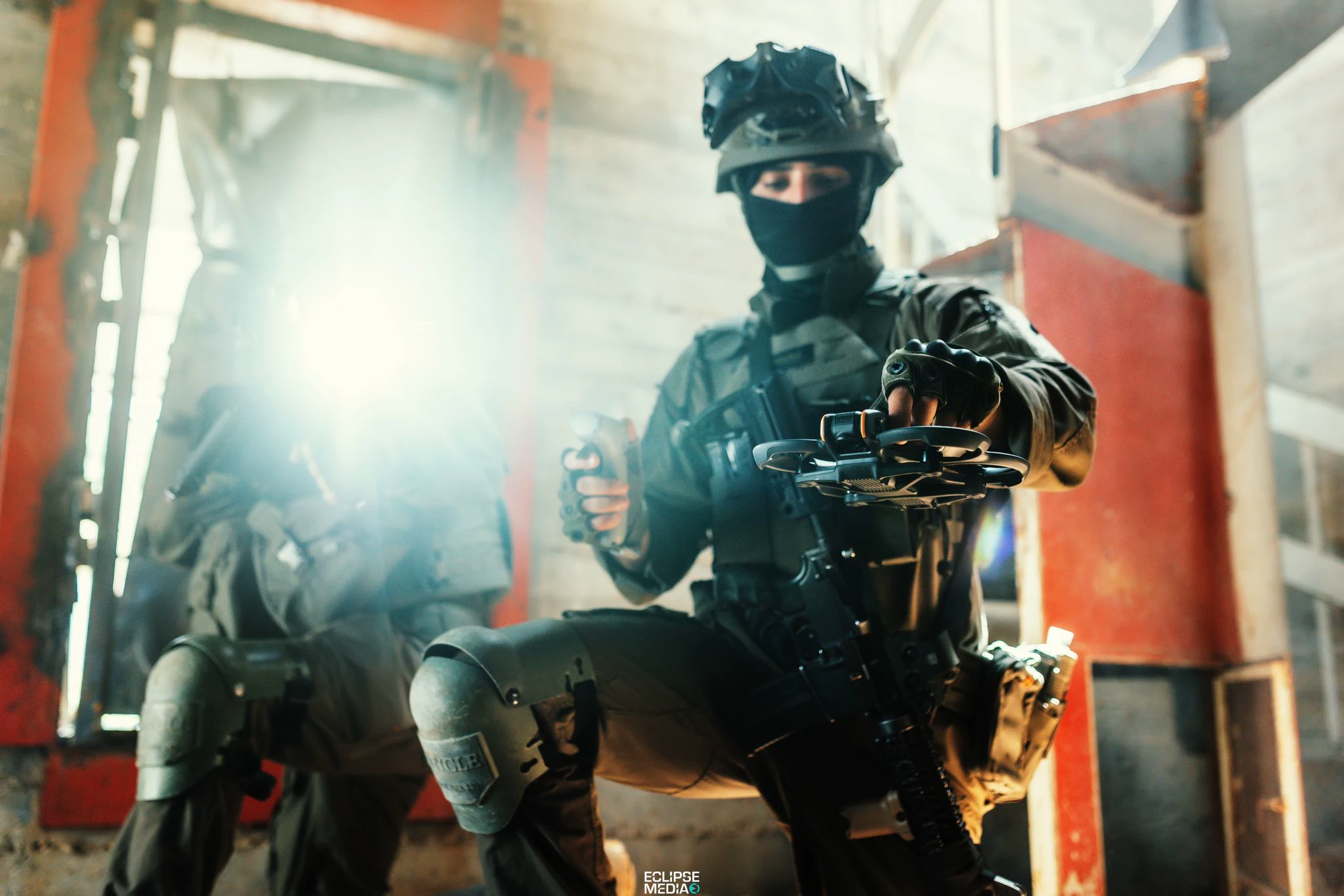
We train response teams and security organizations to fly drones, plan flights and work together in the field. Our courses cover flight fundamentals, aerial observation and FPV, with hands-on practice and feedback from instructors.
Before takeoff, we agree on the training goal, review safety and decide who flies, who observes and who leads.
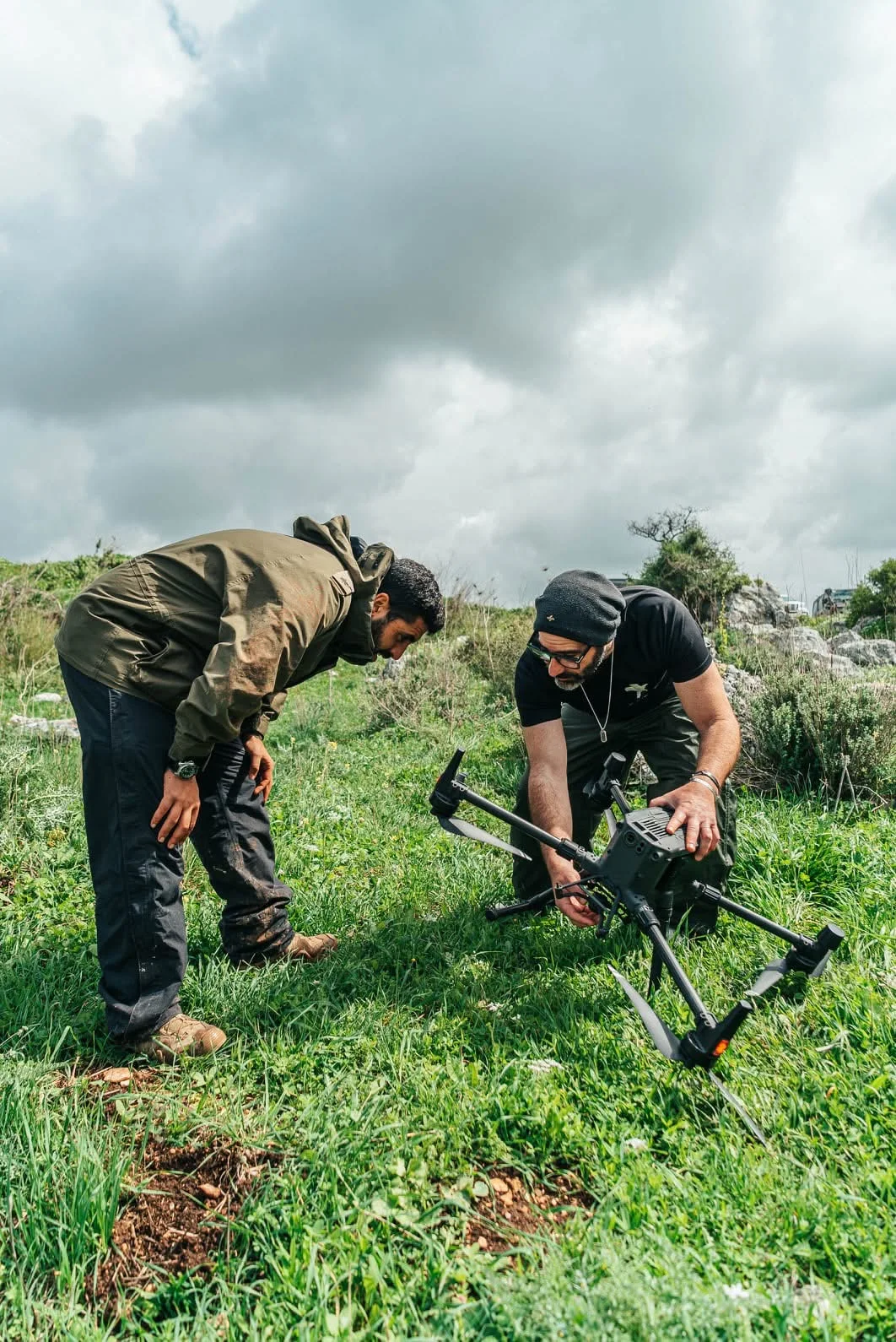
Practice clear communication, role handovers and decision-making with an instructor beside you.
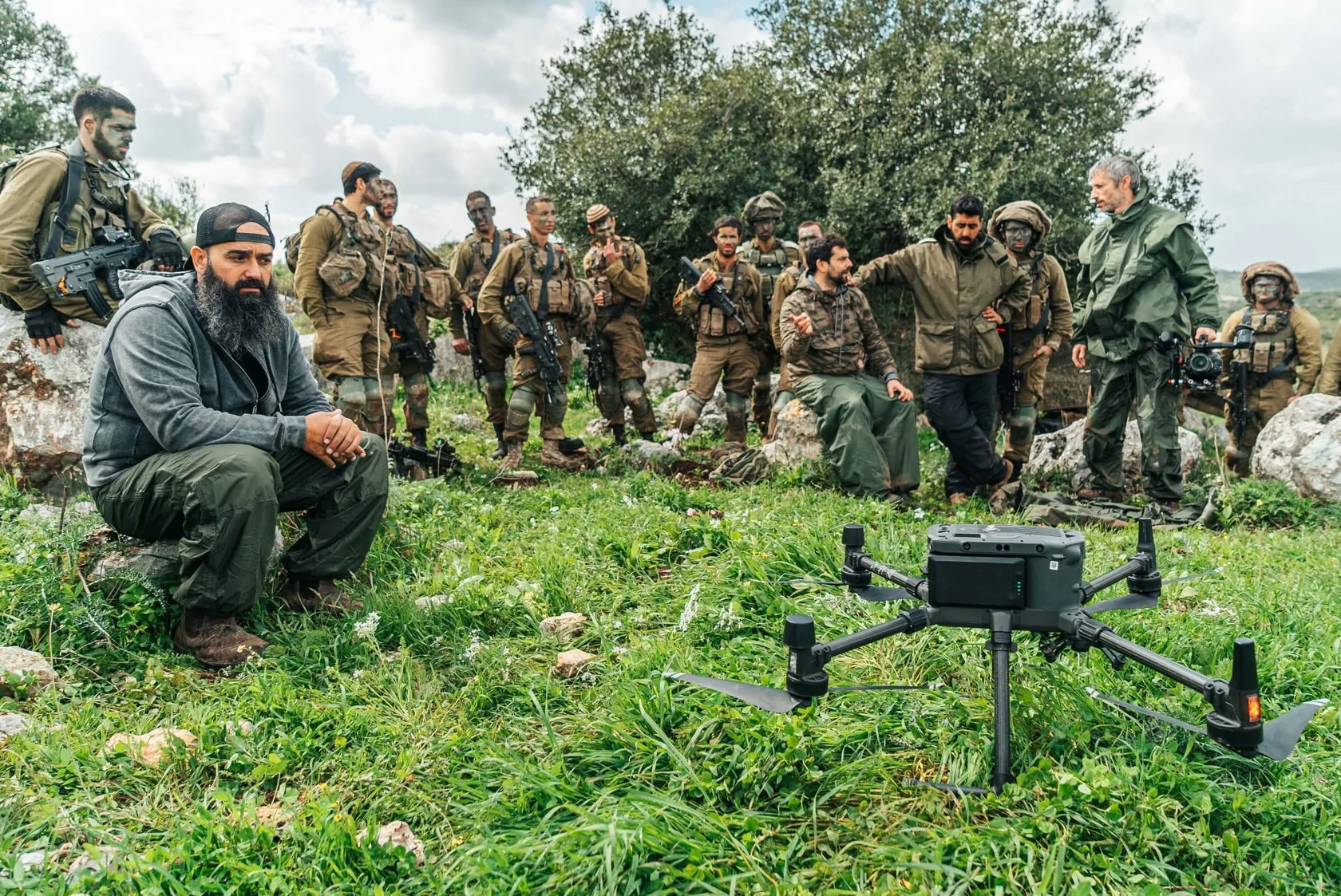
Fly under supervision, communicate with the team and review what happened after landing.
FROM LOTAR TO RED TEAM
Our instructors bring extensive experience in security operations and drone training. Small groups give each trainee hands-on practice and individual feedback.
“During the war, I founded the LOTAR drone school. We trained soldiers from maneuvering units. Today, I bring that training experience to security and response teams through RED TEAM.”
Rotem Rogovsky · Founder, RED TEAM by SKYPRO
Read the original Hebrew press coverage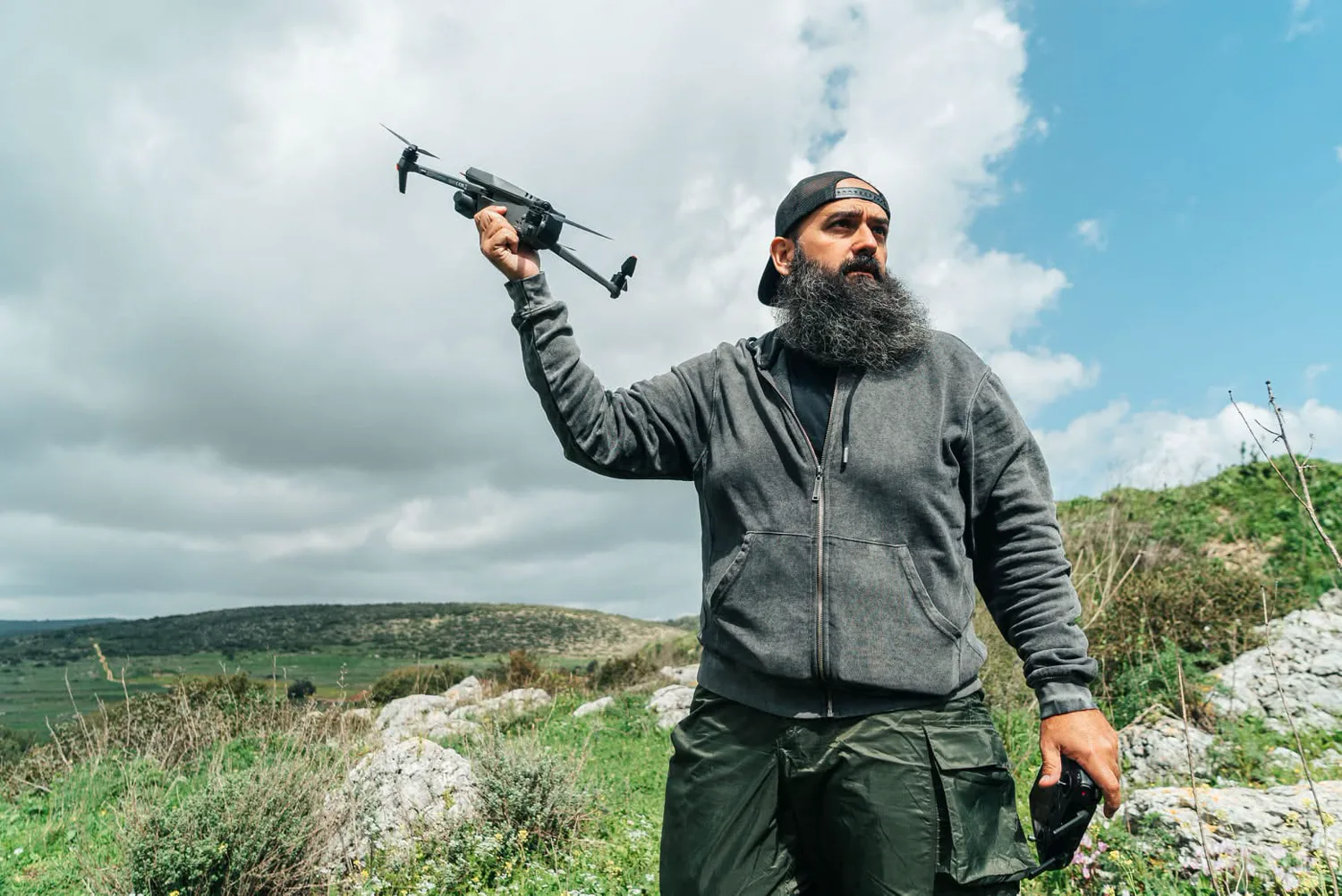
The core course brings together the control room, the drone pilot and the mission commander. Trainees practice maintaining a shared picture of events and coordinating the response.
Aircraft familiarization, safe flight preparation, supervised flight and clear reporting of observations.
Role assignments, communication between the control room and the pilot, and decision-making by the mission commander.
An instructor-led Red Team exercise for the defending crew. Trainees practice assessing reports, coordinating the response and handing over updates.
Review the crew’s coordination, the clarity of its reports and its decisions. Each trainee receives feedback for the next exercise.
3 sessions
For teams starting out. Learn safe setup, basic controls and supervised flying. Finish with a foundation for continued practice.
Meet the aircraft: components, battery care, site assessment and the preflight checklist.
Practice checking the aircraft and defining when a training flight should be postponed.
Basic flight: takeoff, hover, orientation, turns and controlled landing under supervision.
Repeat a short flight pattern and get feedback on smooth control and situational awareness.
Putting it together: a short supervised flight, safe response to simulated faults and individual feedback.
Review the flight against the checklist and set a specific goal for the next practice.
5 sessions
For participants with prior flight experience. Practice flight planning, crew coordination, decision-making and debriefing with instructor feedback.
Plan an observation flight: define objectives, review weather and site conditions, and brief the crew.
Build a flight brief with clear responsibilities, limits and criteria for stopping the exercise.
Build observation skills: fly a supervised observation route and report findings clearly.
Practice short, structured updates, then check that the crew understood the report.
Coordinate the crew: assign roles and practice communication between the control room, pilot and mission commander.
Rotate roles and practice handing over the current picture and the next decision.
Work through a simulated incident: assess reports, maintain a shared picture and coordinate the response in an instructor-led Red Team exercise.
Use a tabletop exercise to decide when to pause, clarify information or request support.
Bring the roles together: complete an assessed team exercise, debrief decisions and set individual improvement goals.
Assess reporting, coordination and adherence to the safety brief, then assign follow-up practice.
1 session · One day
For established drone teams. Refresh procedures, practice together and use the debrief to identify what needs more work.
Safety and readiness: revisit checklists, equipment checks and role assignments.
Start with a readiness check and choose skills to refresh based on the team’s recent experience.
Team practice: rotate roles, practice clear reporting and handle simulated interruptions safely.
Repeat short supervised exercises with a different crew member leading each round.
Debrief: identify skill gaps and agree on priorities for continued practice.
Finish with a short practice plan and clear points for each crew member to work on.
10 sessions
Learn to fly using the drone’s onboard camera, from simulator practice to instructor-supervised flights.
Equipment and safety: aircraft, goggles, radio and battery checks.
Walk through the preflight checklist on the ground before powering the aircraft for practice.
Simulator setup: stick inputs, throttle control and orientation.
Use short simulator drills to build consistent, smooth inputs.
Simulator flight: stable lines, controlled turns and landing approaches.
Repeat a basic pattern and review where orientation or altitude control starts to slip.
Supervised flight: takeoff, straight-line practice and controlled landing.
Review site boundaries and stop signals before the first supervised flight.
Speed and altitude: smooth transitions and consistent flight paths.
Compare repeated runs with the instructor and identify one control habit to improve.
Course practice: fly a marked training route at a controlled pace.
Practice maintaining a consistent line through clearly marked course sections.
Crew communication: coordinate with an observer and practice clear handovers.
Agree on simple calls for aircraft position, hazards and stopping the exercise.
Abnormal situations: rehearse safe responses in simulation and supervised practice.
Practice recognizing a simulated problem, pausing the exercise and discussing the decision.
Integrated practice: combine route planning, flight and post-flight checks.
Run a complete supervised sequence, from briefing and setup through landing and equipment checks.
Final assessment: supervised flight, debrief and individual recommendations.
Review control, communication and safe decision-making and agree on next steps.
Syllabus references for flight safety and practical skills · EASA · BMFA
Dates shown are the first session of each course.
No dates for this course in the current calendar.
The school reviews your experience and organizational affiliation before confirming admission and reserving a place.
Major A. initiated the creation of the LOTAR simulator unit. I helped establish it alongside four fellow reservists.
Rotem Rogovsky
Our simulator instructors integrate guided practice into the courses. They adapt the exercises to participants’ experience and the goals of each course before moving on to field practice.